
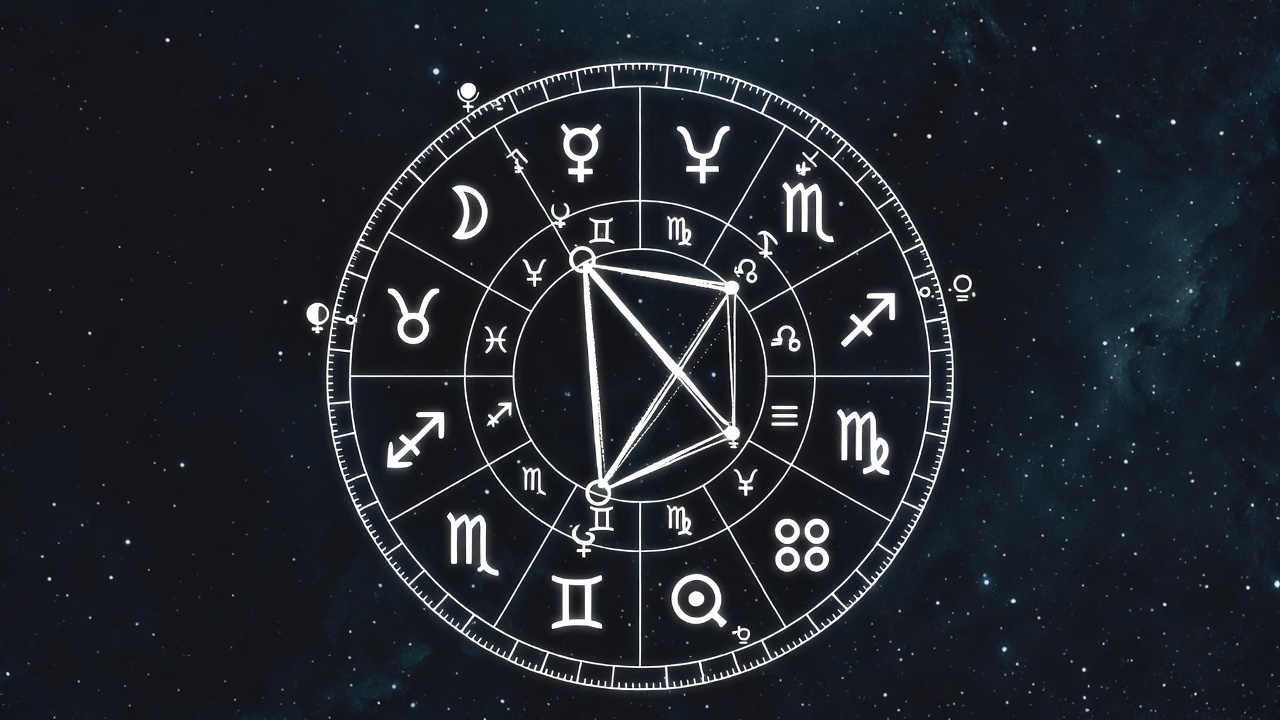
If you’ve ever looked at your natal birth chart and wondered, “Why am I feeling this way right now?” or “Why did that opportunity come out of nowhere?”, the answer often lies in transits — one of the most powerful tools in astrology for understanding timing and personal evolution.
In simple terms, a transit in astrology (or planetary transit) occurs when a planet in the current sky forms an aspect (angle) to a planet or point in your natal birth chart — the unique snapshot of the cosmos at your exact moment of birth.
Your natal chart is fixed — like a personal blueprint of your potential, personality, strengths, and challenges. Transits are the dynamic “cosmic weather” that moves across that blueprint, activating different areas of your life at specific times. They explain those “why now?” moments and help forecast trends, opportunities, and growth periods.
Whether you’re new to astrology or deepening your practice, understanding transits in your birth chart is essential for predictive astrology and self-awareness.
What Exactly Are Transits in Astrology?
The word “transit” comes from the Latin transire, meaning “to go across” or “to pass through.” In astrology, transits refer to the ongoing movement of planets (and sometimes other points like the Moon’s nodes) as they travel through the zodiac and interact with your natal planets, houses, angles (Ascendant, Midheaven, etc.), or sensitive points.
When a transiting planet aspects your natal chart:
- It activates latent potentials already present in your birth chart.
- It triggers events, emotions, or themes tied to the planets and houses involved.
- It doesn’t “cause” things to happen out of thin air — instead, it stimulates what’s already there in your psyche and life path.
For example:
- Transiting Jupiter (planet of expansion, luck, and opportunities) conjunct your natal Venus might bring love, financial boosts, or joyful social connections.
- Transiting Saturn (the taskmaster of discipline and lessons) squaring your natal Moon could feel like emotional heaviness, family responsibilities, or maturity tests — but it builds long-term resilience.
Transits are the core of predictive astrology, used by professionals to time events, life chapters, and personal development.
How Do Transits Work? Key Concepts for Beginners
1. Natal Chart vs. Transit Chart
- Natal Chart — Static positions at birth.
- Transit Chart (or current sky positions) — Compared to your natal chart via a bi-wheel or transit report.
Tools like free transit calculators show active aspects in real time.
2. Aspects in Transits
Transits are strongest via major aspects:
- Conjunction (0°) — Intense activation, new beginnings.
- Opposition (180°) — Tension, awareness through others, culmination.
- Square (90°) — Challenges, friction, motivation for change.
- Trine (120°) — Flowing ease, natural talents amplified.
- Sextile (60°) — Opportunities, harmonious support.
Minor aspects (quincunx, semi-sextile) add nuance but are subtler.
3. Orbs: How Close Is Close Enough?
An “orb” is the allowable degree range for an aspect to be felt:
- Fast planets (Moon, Mercury, Venus, Mars): 1–5° orb.
- Slow planets (Jupiter outward): 5–10° orb, sometimes more for major ones like Saturn or Pluto.
Tighter orbs = stronger, more exact influence.
4. Inner vs. Outer Planets: Speed and Impact
- Inner/Fast-Moving Planets (Sun, Moon, Mercury, Venus, Mars): Short-lived transits (days to months). Great for daily moods, communication, relationships, and action.
- Outer/Slow-Moving Planets (Jupiter, Saturn, Uranus, Neptune, Pluto): Long-term transits (months to decades). These shape major life phases, like your Saturn Return (~age 29–30) or Uranus Opposition (~age 42, midlife awakening).
Jupiter transits often feel lucky and expansive; Saturn brings structure and reality checks.
5. Houses Matter: Where the Transit Hits
A transit’s house placement in your natal chart shows the life area affected:
- 1st House: Identity, appearance, new starts.
- 7th House: Partnerships, marriage, one-on-one relationships.
- 10th House: Career, public life, reputation.
A planet transiting your 2nd House might focus on money and values, even if it’s the same planet aspecting something else.
Common Types of Transits You Should Know
- Planetary Returns — When a transiting planet returns to its natal position (e.g., Solar Return = birthday chart; Saturn Return = major adulting milestone).
- Retrograde Transits — When a planet appears to move backward (e.g., Mercury retrograde), it internalizes energy — review, revisit, reflect.
- Ingresses — A planet entering a new sign (e.g., Jupiter ingress into Cancer) shifts collective + personal themes.
- Major Outer Planet Transits — Pluto in Aquarius (ongoing), Neptune in Aries (upcoming), Uranus in Gemini — these generational shifts personalize via house/aspect to your chart.
Why Transits Feel Different for Everyone
Even the same transit (e.g., transiting Pluto conjunct natal Venus) varies wildly:
- Your natal Venus house/sign/aspects determine the flavor.
- Your current life context shapes manifestation.
- Free will plays a role — transits offer energy; you choose how to respond.
How to Start Working with Transits Today
- Generate your free natal birth chart at BirthStellar.com (accurate birth time needed for houses/Ascendant).
- Overlay current transits — check today’s planetary positions against your chart.
- Track major upcoming transits (e.g., your next Jupiter or Saturn aspect).
- Journal during key periods to spot patterns.
Ready to explore transits in your birth chart? Visit BirthStellar.com to create your free natal chart, view current transits, or book a personalized reading to decode what the planets are activating for you right now.
What transit are you noticing most in your life lately — a quick Moon transit or a slow-burn outer planet one? Drop a comment below and let’s discuss!

